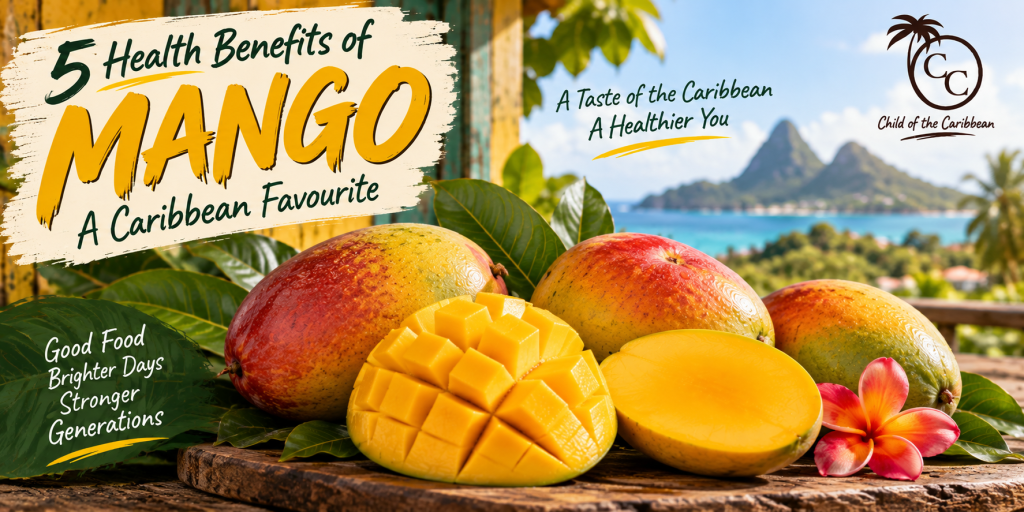
If you grew up in the Caribbean, you probably do not need anyone to explain mango season. You knew when it was coming. Trees that had been standing quietly in the yard suddenly became heavy with fruit, everyone seemed to know where the sweetest mangoes could be found, and there was always somebody ready to argue that their favourite variety was better than yours.
Some of us ate mangoes green with salt, while others waited until they were perfectly ripe and sweet. You might have picked one straight from the tree, washed it under the outside tap and eaten it right there in the yard. And if it was one of those wonderfully juicy mangoes, there was really no dignified way to eat it. The juice was going to end up on your hands, your face and probably your clothes.
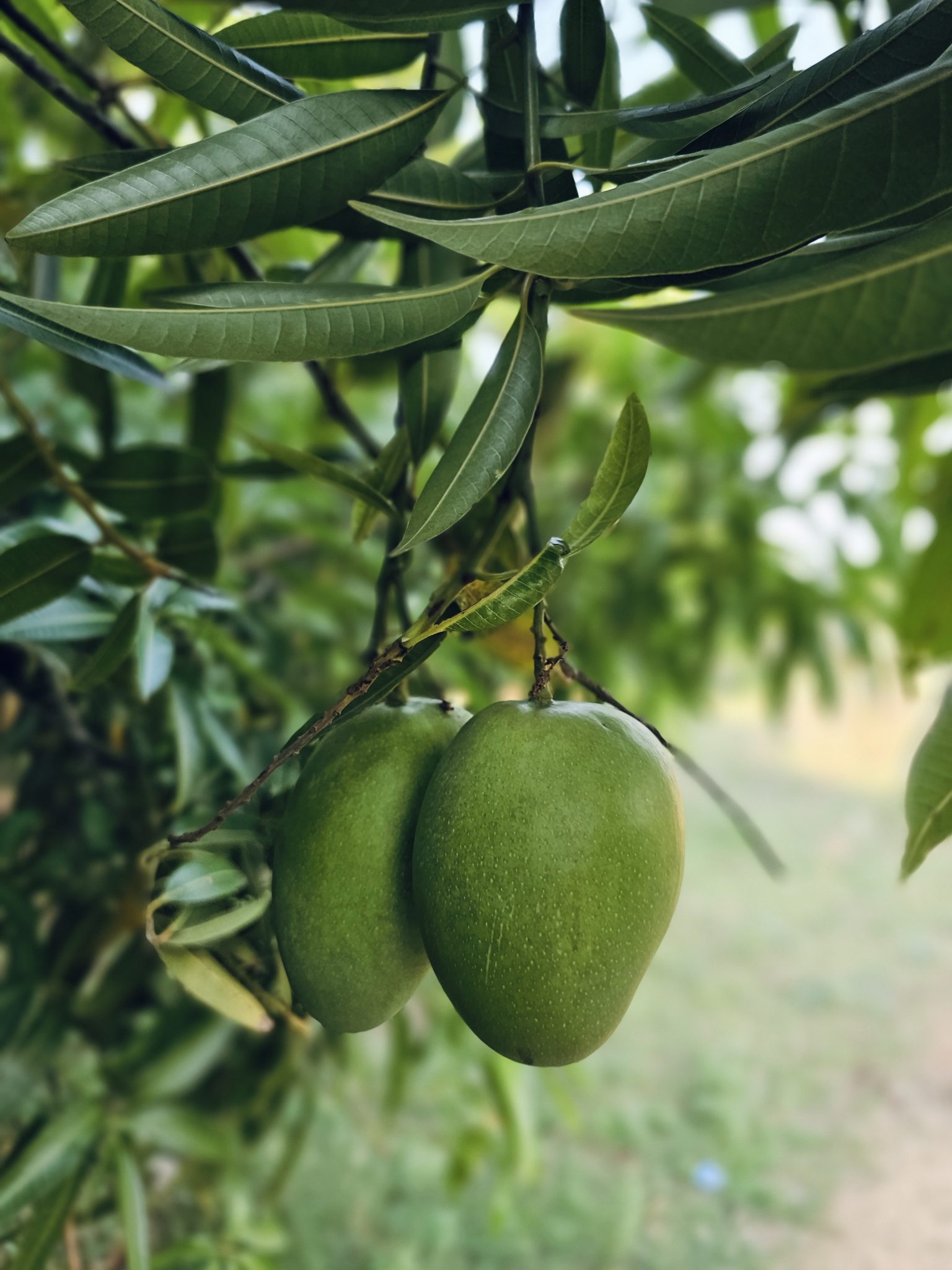
Mango, or Mangifera indica, actually originated in Asia rather than the Caribbean. Over centuries it spread throughout tropical regions and eventually became firmly established across our islands. Today, mango trees are such a familiar part of the Caribbean landscape that, for many of us, mango does not feel like an exotic tropical fruit at all. It feels like home.
What we probably were not thinking about while eating all those mangoes as children was nutrition. Behind the sweetness and distinctive flavour is a fruit containing vitamin C, fibre, carotenoids and a variety of naturally occurring plant compounds. So, here are five good reasons to enjoy mango season even more.
1. Mango Gives Us Vitamin C
We never needed anyone to convince us to eat mangoes, but it turns out all that enjoyment came with some nutritional benefits. Mango is a source of vitamin C, an important nutrient that helps support the normal functioning of our immune system.
Vitamin C is also needed by the body to produce collagen, a protein that helps maintain our skin, bones, cartilage and blood vessels. It also acts as an antioxidant, helping to protect our cells from oxidative stress.
We often associate vitamin C with oranges, grapefruits and other citrus fruits, but mango reminds us that there are plenty of ways to obtain this nutrient from the fruits we already know and love.
2. Mango Contains Nutrients That Support Healthy Vision
That beautiful yellow or deep orange colour inside a ripe mango is not just there to make the fruit look inviting. Mango contains carotenoids, including beta-carotene, which our bodies can convert into vitamin A.
Vitamin A contributes to maintaining normal vision and also plays a role in normal immune function. Mango contains other carotenoids and plant compounds as well, which researchers continue to study for their nutritional properties.
Of course, eating mango is not going to correct poor eyesight or treat an eye condition, but it can contribute useful nutrients as part of a varied diet. That is an important difference because we do not need to turn our traditional fruits into miracle foods to appreciate how nutritious they can be.
3. Mango Provides Dietary Fibre
If you have ever sat down with a whole mango and discovered there was suddenly nothing left but the seed, you probably were not thinking about fibre. Yet fresh mango does provide dietary fibre, which helps support normal digestion and contributes to healthy bowel function.
There is also a difference between eating a mango and drinking mango juice. When we eat the flesh, we retain the fibre naturally found in the fruit. If mango is juiced and heavily strained, some of that fibre can be lost. That does not mean we have to abandon a cold glass of homemade mango juice — especially when the weather is hot — but eating the whole fruit gives us more of what was naturally there.
And perhaps that is one of the simplest lessons. Sometimes we do not need to do very much to our fruit. A ripe mango, a knife and a plate are enough — although plenty of Caribbean people would probably tell you the knife and plate are optional.
4. Mango Contains Natural Antioxidants
Mango contains naturally occurring plant compounds, including carotenoids and polyphenols, that have antioxidant properties. Antioxidants help protect our cells from oxidative stress, which is why researchers are interested in studying the compounds found in mango and many other fruits and vegetables.
You may have seen much bigger claims about mango online, particularly suggestions that it can prevent or cure particular illnesses. This is where we need to be careful. Scientists are studying mango and its individual compounds in areas such as inflammation, cardiovascular health, digestion and metabolism, but that does not make mango a medicine or a cure.
For us, the message can be much simpler: mango is a nutritious fruit, and eating a variety of colourful fruits and vegetables gives our bodies a wider range of useful nutrients and plant compounds.
5. Mango Can Satisfy That Craving for Something Sweet
Anyone who has eaten a properly ripened Caribbean mango knows that nature does not struggle when it comes to making something sweet.
That natural sweetness means fresh mango can make a satisfying snack or dessert while also providing fibre, vitamins and other nutrients. Instead of automatically reaching for sweets, biscuits or another heavily processed snack, a serving of ripe mango can sometimes satisfy that desire for something sweet.
There is an important distinction, though. Fresh mango is not nutritionally the same as mango-flavoured sweets, heavily sweetened mango juice, mango syrup or desserts containing lots of added sugar. We have a habit sometimes of taking a fruit that is already beautifully sweet and adding even more sugar to it.
There is nothing wrong with enjoying those treats occasionally — Caribbean food culture would be a lot less interesting if everything had to be turned into a health food — but when you want the nutritional benefits of mango, let the mango itself do most of the work.
More Than Nutrition
Perhaps the best thing about mango cannot be measured in milligrams of vitamin C.
For many Caribbean people, a mango tree is attached to memories. It might be the tree that stood behind Grandma’s house, the one you were warned not to climb, or the enormous tree everybody in the neighbourhood seemed to know belonged to somebody — although that never stopped children from watching for mangoes that fell on the other side of the fence.
Mango season meant sharing too. When one tree produced more fruit than a household could possibly eat, bags of mangoes found their way to relatives, friends and neighbours. Nobody called it food sustainability or community food sharing. It was simply what people did.
That is why foods such as mango deserve a place on Child of the Caribbean. Their value is not limited to nutrition. They carry memories, traditions and stories from one generation to another.
So when mango season comes around, enjoy them. Eat them ripe, slice them into breakfast, blend them into a drink, or sit outside and eat one the way you did when you were young.
Just keep a napkin nearby.
And now for the serious Caribbean question: What is the best mango? Tell us the name of your favourite variety and your island in the comments.
Disclaimer: This post is for general information only; while mango is a nutritious fruit, it should not be considered a treatment or cure for any medical condition.
Child of the Caribbean
Sources
Royal Botanic Gardens, Kew – Plants of the World Online: Botanical information on Mangifera indica, including its native and introduced distribution.
U.S. Department of Agriculture – FoodData Central: Nutritional information for raw mango, including vitamin C, dietary fibre and other nutrients.
National Institutes of Health, Office of Dietary Supplements: Information on the functions and dietary importance of vitamin C and vitamin A.
Burton-Freeman, B.M. et al. – Research and reviews on mango and human health: Scientific literature examining mango consumption, its nutritional composition and potential health effects.
National Library of Medicine – PubMed: Peer-reviewed research concerning mango, carotenoids, polyphenols and other bioactive compounds.








Leave a Reply