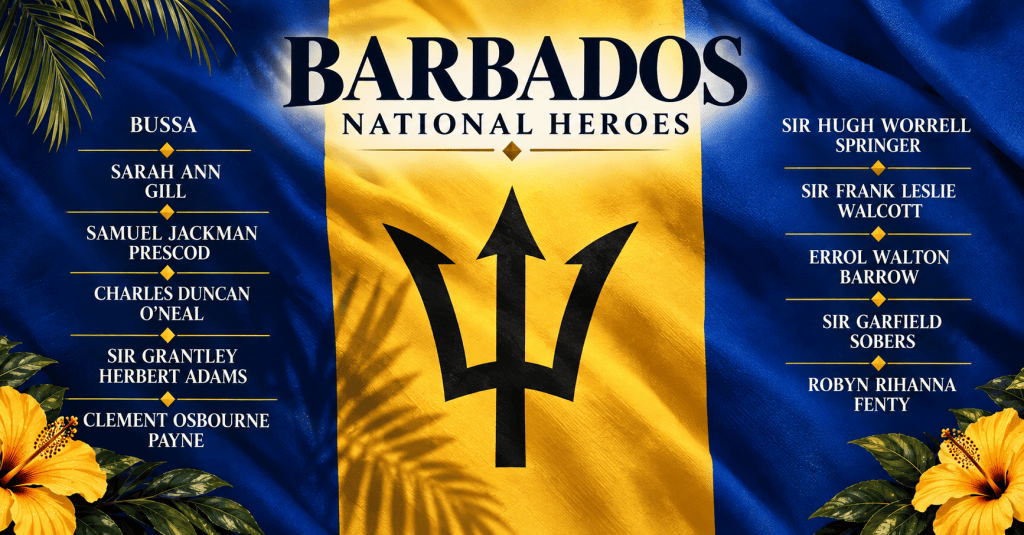
Barbados is a small island with a remarkable history. From the struggle against slavery to the fight for political independence, generations of Barbadians have worked to shape the nation we know today. Among them are individuals whose courage, determination, leadership and contributions have earned them a special place in our country’s history.
These individuals are recognised as the National Heroes of Barbados.
For Caribbean children growing up at home or overseas, learning about our National Heroes is an important way to understand where we come from, the challenges our ancestors faced and the people who helped build our nation.
In this article, we will explore the lives and achievements of Barbados’ National Heroes and discover why their contributions continue to be remembered and celebrated.
What Is a National Hero of Barbados?
A National Hero is someone who has made an extraordinary contribution to Barbados through leadership, service, achievement or actions that have helped shape the country’s history and development.
The Order of National Heroes was established in 1998, when ten individuals were recognised for their contributions to the nation. In November 2021, Robyn Rihanna Fenty became the eleventh National Hero during the celebrations marking Barbados’ transition to a republic.
National Heroes are given the honorary title “The Right Excellent”, one of the highest forms of national recognition in Barbados.
The 11 National Heroes of Barbados
1. The Right Excellent Bussa (Died 1816)
Bussa is remembered for his role in leading the 1816 rebellion against slavery in Barbados, one of the most significant uprisings in the island’s history.
Born in Africa, Bussa was enslaved and brought to Barbados, where he became involved in the struggle for freedom. In April 1816, enslaved people rose against the plantation system in a rebellion that challenged the authority of the slaveholders.
Bussa was killed during the uprising, but his name became a lasting symbol of resistance to slavery.
Today, the Emancipation Statue in Barbados, commonly known as the Bussa Statue, honours the struggle for freedom and emancipation.
2. The Right Excellent Sarah Ann Gill (1795–1866)
Sarah Ann Gill is remembered for her courage in defending religious freedom in Barbados.
During the nineteenth century, Methodist worshippers faced opposition and persecution from members of the island’s powerful plantation society. When Methodist missionaries were forced to leave Barbados, Gill continued to support the Methodist faith.
She opened her home for religious gatherings despite facing threats and hostility.
Her determination helped preserve Methodism in Barbados and contributed to the development of religious freedom on the island.
Sarah Ann Gill was one of the original ten National Heroes and the first woman to receive the honour.
3. The Right Excellent Samuel Jackman Prescod (1806–1871)
Samuel Jackman Prescod was a journalist, politician and advocate for political reform.
Born in Barbados in 1806, he became an important voice for the rights of free people of colour during a period when political power was largely controlled by the white planter class.
In 1843, Prescod became the first person of African descent to be elected to the Barbados House of Assembly.
He used his position to advocate for greater political representation, social justice and improved opportunities for ordinary Barbadians.
His achievements helped open the way for broader participation in the political life of Barbados.
4. The Right Excellent Dr Charles Duncan O’Neal (1879–1936)
Dr Charles Duncan O’Neal was a medical doctor, politician and advocate for social reform.
He dedicated much of his life to improving conditions for working-class Barbadians at a time when poverty and inequality affected large sections of the population.
In 1924, he helped establish the Democratic League, an organisation that sought political and social improvements for ordinary people.
O’Neal advocated for better working conditions, improved public health and greater opportunities for Barbadians who had traditionally been excluded from political influence.
His work contributed to the development of organised political movements representing the interests of working people.
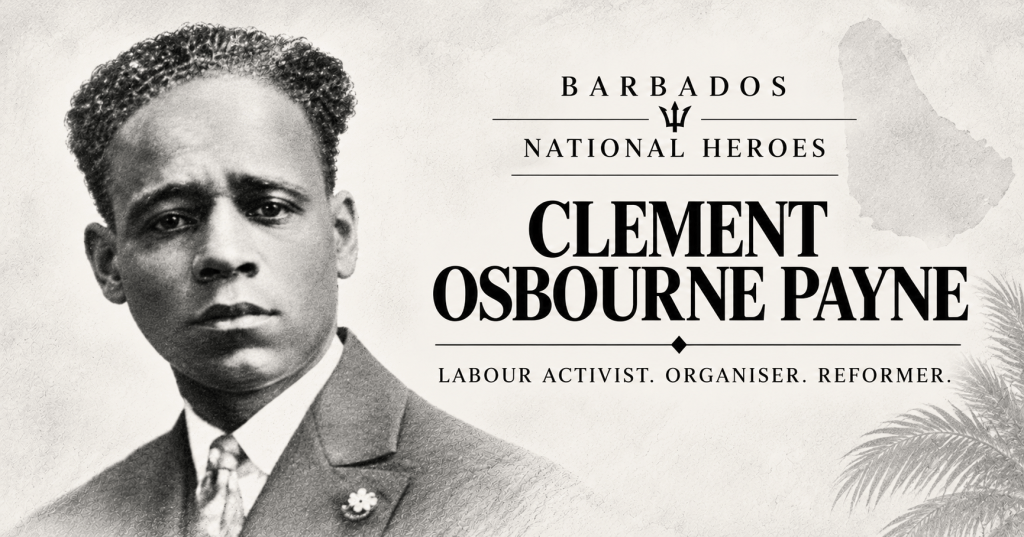
5. The Right Excellent Clement Osbourne Payne (1904–1941)
Clement Osbourne Payne was a political activist and labour leader who fought for the rights of working-class people in Barbados.
Born in Trinidad to Barbadian parents, Payne became an influential voice for social and economic reform during the 1930s.
He organised public meetings and spoke against low wages, poor working conditions and the inequalities experienced by ordinary Barbadians.
In 1937, Payne was deported from Barbados. His deportation contributed to widespread unrest, including protests and disturbances that became an important turning point in the island’s labour history.
The events of 1937 helped bring greater attention to the need for social and political reform in Barbados.
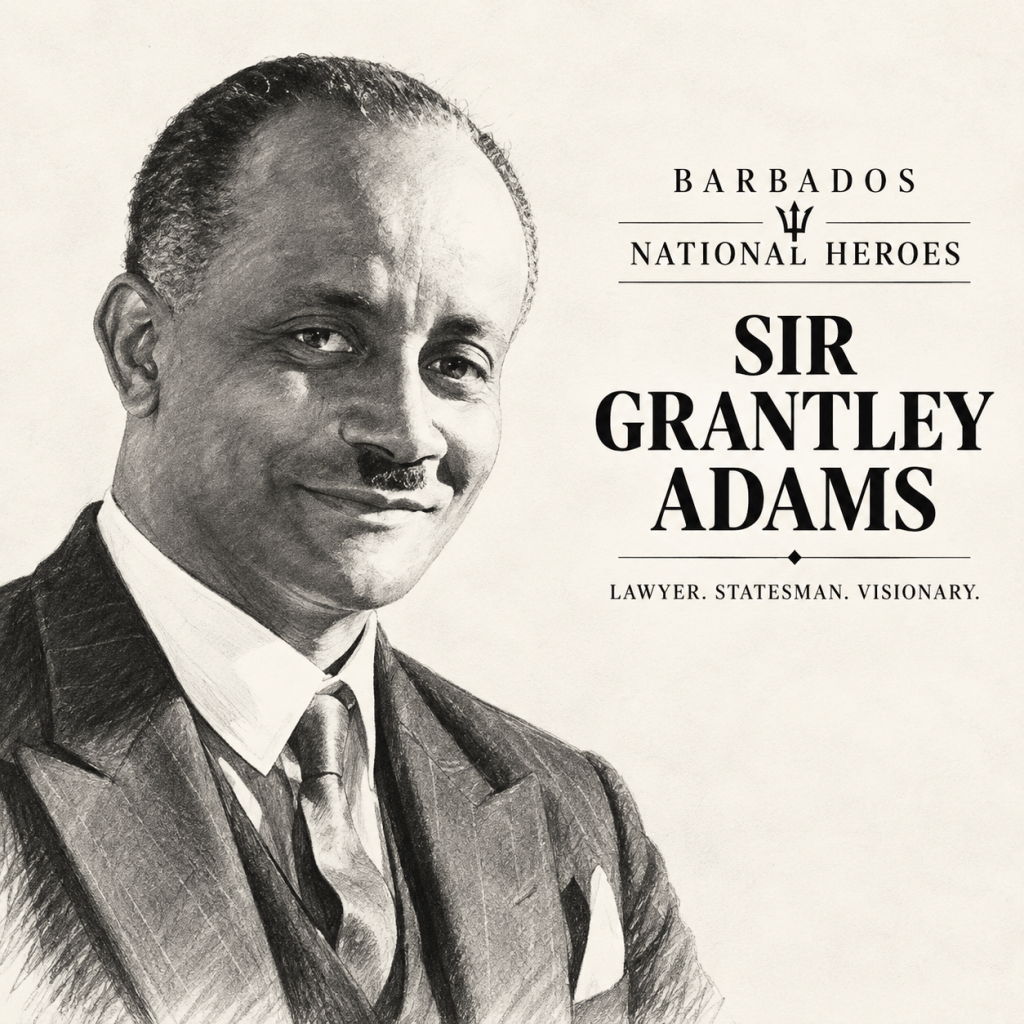
6. The Right Excellent Sir Grantley Herbert Adams (1898–1971)
Sir Grantley Herbert Adams was a lawyer, politician and one of the leading figures in the development of modern Barbados.
He played an important role in the growth of organised labour and the expansion of political rights during the twentieth century.
In 1938, he helped establish the Barbados Labour Party, which became an important organisation in the country’s political development.
Adams became the first Premier of Barbados in 1953 and later served as the first and only Prime Minister of the West Indies Federation.
His work contributed to the development of representative government and the expansion of opportunities for ordinary Barbadians.
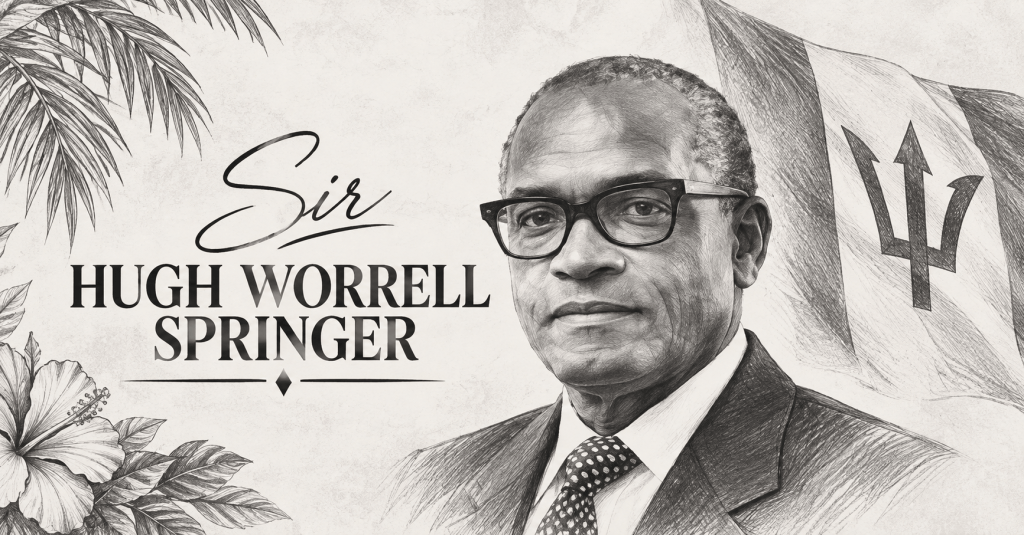
7. The Right Excellent Sir Hugh Worrell Springer (1913–1994)
Sir Hugh Worrell Springer was an educator, trade unionist, politician and public servant.
He played an important role in the development of the labour movement and worked to improve educational and employment opportunities for Barbadians.
Springer was involved in the establishment of the Barbados Workers’ Union and served in several important public positions during his career.
He later became the third native Governor-General of Barbados, serving from 1984 to 1990.
His contributions to education, labour relations and public administration helped shape the development of modern Barbados.
8. The Right Excellent Sir Frank Leslie Walcott (1916–1999)
Sir Frank Leslie Walcott was a trade union leader and politician who dedicated much of his life to improving the rights and working conditions of Barbadian workers.
He became closely associated with the Barbados Workers’ Union and served as its General Secretary for several decades.
Walcott worked to secure improved wages, better working conditions and greater protection for employees.
He also represented Barbados and the wider Caribbean in international labour organisations, bringing attention to the concerns of workers across the region.
His work helped strengthen the trade union movement and contributed to the development of labour rights in Barbados.
9. The Right Excellent Errol Walton Barrow (1920–1987)
Errol Walton Barrow is widely known as the Father of Independence in Barbados.
He was a politician and national leader who played a central role in the country’s transition from British colonial rule to independence.
Barrow became the first Prime Minister of independent Barbados on 30 November 1966.
During his political career, he introduced important reforms, including expanded access to free education, the development of the National Insurance Scheme and improvements to healthcare.
His leadership helped establish the foundations of modern independent Barbados and expanded educational and economic opportunities for its citizens.
10. The Right Excellent Sir Garfield St Aubrun Sobers (1936 – 2026)
Sir Garfield Sobers is one of the most celebrated cricketers in the history of the sport.
Born in Barbados, he developed his cricketing abilities from an early age and went on to represent the West Indies internationally.
An exceptional all-rounder, Sobers was recognised for his batting, bowling and fielding abilities.
He captained the West Indies cricket team and became an internationally recognised sporting figure.
His achievements helped strengthen the reputation of West Indies cricket and demonstrated the sporting talent of Barbados on the world stage.
11. The Right Excellent Robyn Rihanna Fenty (Born 1988)
Robyn Rihanna Fenty, internationally known as Rihanna, is a singer, businesswoman and philanthropist.
Born in Saint Michael, Barbados, Rihanna began her international music career in 2005 and went on to achieve worldwide success.
In addition to her musical achievements, she established successful businesses in the beauty and fashion industries.
Through her Clara Lionel Foundation, Rihanna has also supported charitable initiatives involving education, health and emergency assistance.
On 30 November 2021, Rihanna was declared Barbados’ eleventh National Hero during the historic celebrations marking the country’s transition to a republic.
She became the second woman and the youngest person to receive the honour.
When Is National Heroes Day Celebrated in Barbados?
National Heroes Day is celebrated every year on 28 April.
The date was chosen to commemorate the birthday of Sir Grantley Herbert Adams, who was born on 28 April 1898.
The first National Heroes Day was celebrated in 1998, when Barbados formally recognised its original ten National Heroes.
Today, the occasion provides an opportunity for Barbadians at home and throughout the diaspora to reflect on the contributions of the people who helped shape the nation.
Why Should Caribbean Children Learn About Our National Heroes?
For Caribbean children growing up overseas, learning about our National Heroes is one way to maintain a connection with our history, culture and national identity.
Their stories introduce children to different periods in Barbadian history, from slavery and emancipation to the development of democracy, independence and international achievement.
By learning about these individuals, children can begin to understand how Barbados developed into the nation it is today.
Parents and educators can use their stories to encourage conversations about history, citizenship, courage, perseverance and the importance of contributing positively to our communities.
Learning about our National Heroes also gives children an opportunity to explore the history of their own families and discover how the experiences of earlier generations have shaped Caribbean life.
Keeping Our Caribbean History Alive
At Child of the Caribbean, we believe that our children should grow up knowing the history of the islands from which their families came.
Whether they live in Barbados, Britain, Canada, the United States or elsewhere in the world, our children deserve the opportunity to learn about the people, places and events that have shaped their Caribbean heritage.
The National Heroes of Barbados represent different generations, backgrounds and fields of achievement, but each has contributed to the story of our island.
By sharing their stories with our children, we help preserve an important part of our history and ensure that future generations understand the foundations upon which our nation was built.
Our history is part of who we are, and it deserves to be remembered, taught and passed on.
Sources and Further Reading
For readers who would like to explore the history of Barbados’ National Heroes in greater detail, the following resources provide additional information:



Leave a Reply